Simple Lifestyle Adjustments to Enhance Your Recovery Journey
Most recovery plans overlook how small lifestyle adjustments can shape your healing. When paired with expert physiotherapy, these changes ease pain and boost your mobility faster. In this post, you’ll find simple, practical steps that fit your daily routine and support your recovery journey. Book a consultation with our expert therapists today to tailor your recovery plan!
Daily Routine Tweaks
Making small changes in your daily routine can greatly aid your recovery journey. These tweaks can be seamlessly integrated into your life and bring significant benefits when combined with professional care.
Morning Stretch Ritual
Start your day with a gentle stretch routine. Stretching in the morning can reduce stiffness and increase your range of motion. Begin with simple neck stretches. Slowly tilt your head from side to side, holding each position for five seconds. Next, move to shoulder rotations—lift your shoulders toward your ears and roll them back down. These movements take just five minutes and can set a positive tone for your day.
Consistency is key. Doing these stretches daily can gradually enhance flexibility and reduce discomfort. If you’re new to this, start slow and listen to your body. Your physiotherapist can provide guidance tailored to your needs. Remember, the goal is to feel refreshed and ready to take on the day.
Here’s the key insight: stretching primes your body for improved function throughout the day. As you incorporate this ritual, you’ll notice how much better you feel.
Balanced Nutrition Tips
What you eat plays a vital role in how well your body heals. Focus on a balanced diet rich in fruits, vegetables, lean proteins, and whole grains. These foods provide essential nutrients that support tissue repair and reduce inflammation.
Consider adding omega-3 fatty acids to your meals. Found in fish like salmon, these can help reduce joint stiffness. Don’t forget about hydration. Drinking enough water is crucial for maintaining flexibility and flushing out toxins.
A simple guideline is to fill half your plate with vegetables at each meal. This ensures you’re getting a variety of vitamins and minerals. If you’re unsure about your diet, consulting a nutritionist can provide personalized recommendations. Most people think they need complex diets, but simplicity often yields the best results.
Hydration and Healing
Proper hydration is more than just quenching thirst; it’s instrumental in your recovery. Water supports every bodily function, including healing processes. Aim for at least eight glasses of water daily, and adjust based on your activity level.
Dehydration can lead to increased pain and slower recovery. Keep a water bottle handy as a reminder to sip throughout the day. Infuse your water with slices of lemon or cucumber for added flavor and health benefits.
Here’s a surprising fact: even mild dehydration can impact your mood and energy levels. Staying hydrated can help you feel more alert and positive, contributing to a smoother recovery journey.
Mindful Movement Practices
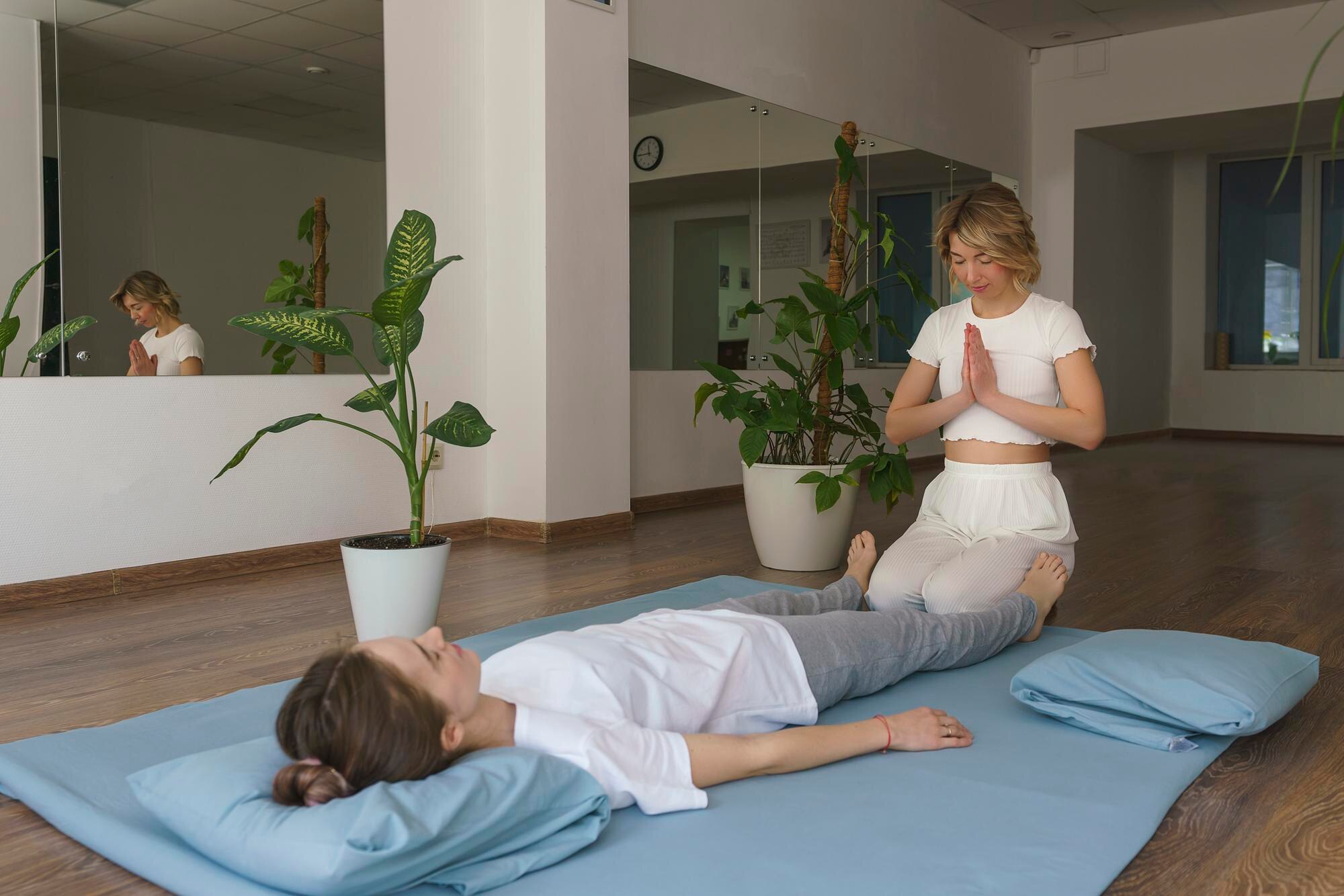
Incorporating mindful movement into your routine can significantly enhance your healing process. These practices not only aid physical recovery but also contribute to mental well-being.
Gentle Yoga Sessions
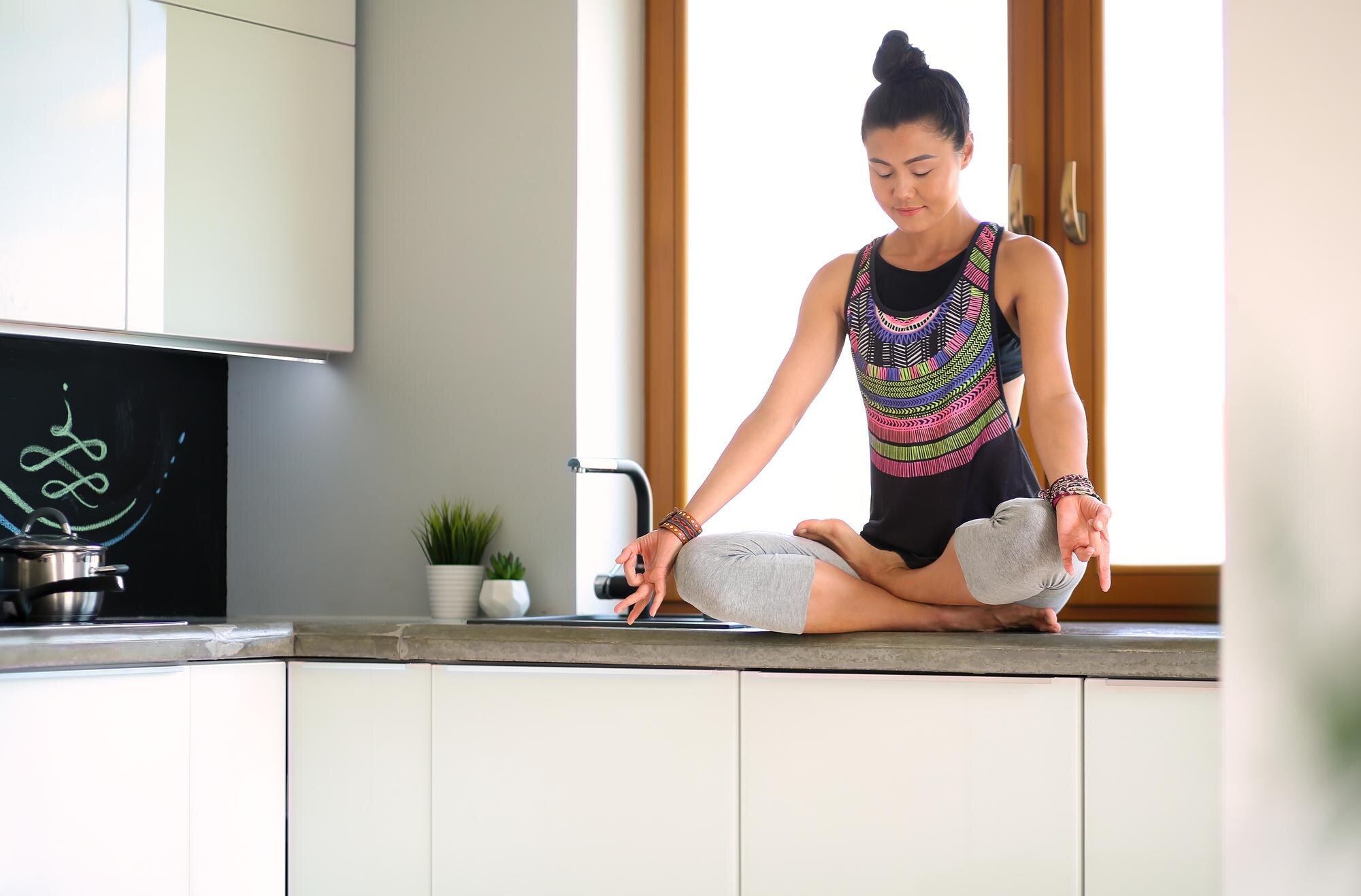
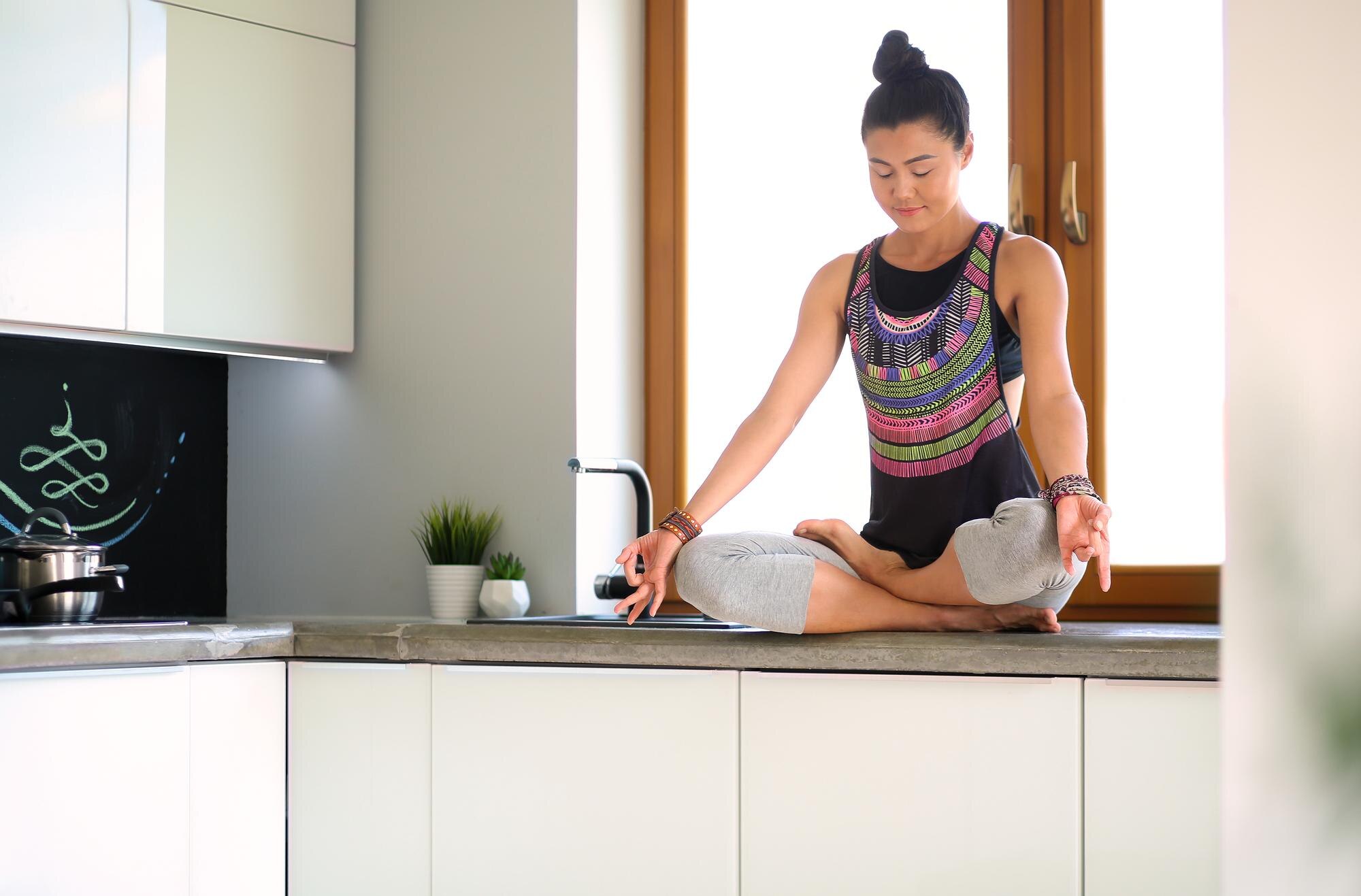
Yoga is a wonderful practice for promoting flexibility and relaxation. You don’t need to be an expert to reap its benefits. Start with simple poses like the cat-cow stretch. This movement gently massages the spine and alleviates back tension.
Another beginner-friendly pose is the child’s pose. It stretches the back and relieves stress. Spend about ten minutes each day on these poses. You might find that yoga helps improve your mood and energy levels, making it easier to tackle daily tasks.
The beauty of yoga is that it meets you where you are. Whether you’re recovering from an injury or managing chronic pain, yoga can be adapted to suit your needs. Most people think it’s about complicated poses, but the essence lies in gentle, mindful movements.
Walking for Pain Relief
Walking is an underrated yet powerful tool in pain management. A short walk, even just 15 minutes, can boost circulation and ease muscle stiffness. If you’re able, try to walk outside to enjoy fresh air and nature, which can further enhance your mood.
Start with a leisurely pace and gradually increase your distance as your comfort level improves. Walking regularly can strengthen muscles and improve joint health. It’s also an opportunity to clear your mind and reduce stress.
Remember, the goal is not to push through pain but to move in a way that feels good. With consistent practice, you’ll likely notice improved mobility and reduced discomfort.
Creating a Restful Environment

Your environment plays a crucial role in your recovery. Creating a space that promotes rest and relaxation can significantly enhance your healing journey.
Sleep Hygiene Essentials
Quality sleep is vital for recovery. Establishing a bedtime routine can improve your sleep quality. Start by going to bed and waking up at the same time every day. This helps regulate your body’s internal clock.
Create a calming bedtime environment. Dim the lights and limit screen time an hour before bed. Consider a warm bath or reading a book to unwind. A comfortable mattress and pillow can also make a big difference in sleep quality.
Here’s the key insight: sleep is when your body repairs itself. Prioritizing rest can lead to noticeable improvements in how you feel and function.
Stress Reduction Techniques
Managing stress is essential for both mental and physical health. Simple techniques like deep breathing or meditation can help. Spend a few minutes each day focusing on your breath. Inhale deeply, hold, and exhale slowly. This practice can calm your mind and body.
Journaling is another effective tool. Writing down your thoughts and feelings can provide clarity and reduce stress. Reflecting on positive experiences and goals can shift your mindset toward optimism and healing.
The longer you wait to address stress, the more it can hinder your recovery journey. Embrace these practices to foster a peaceful environment that supports your overall well-being.
By integrating these lifestyle adjustments, you’re not just aiding your recovery but also enhancing your overall quality of life. Take these small steps today to see big changes in your healing journey.